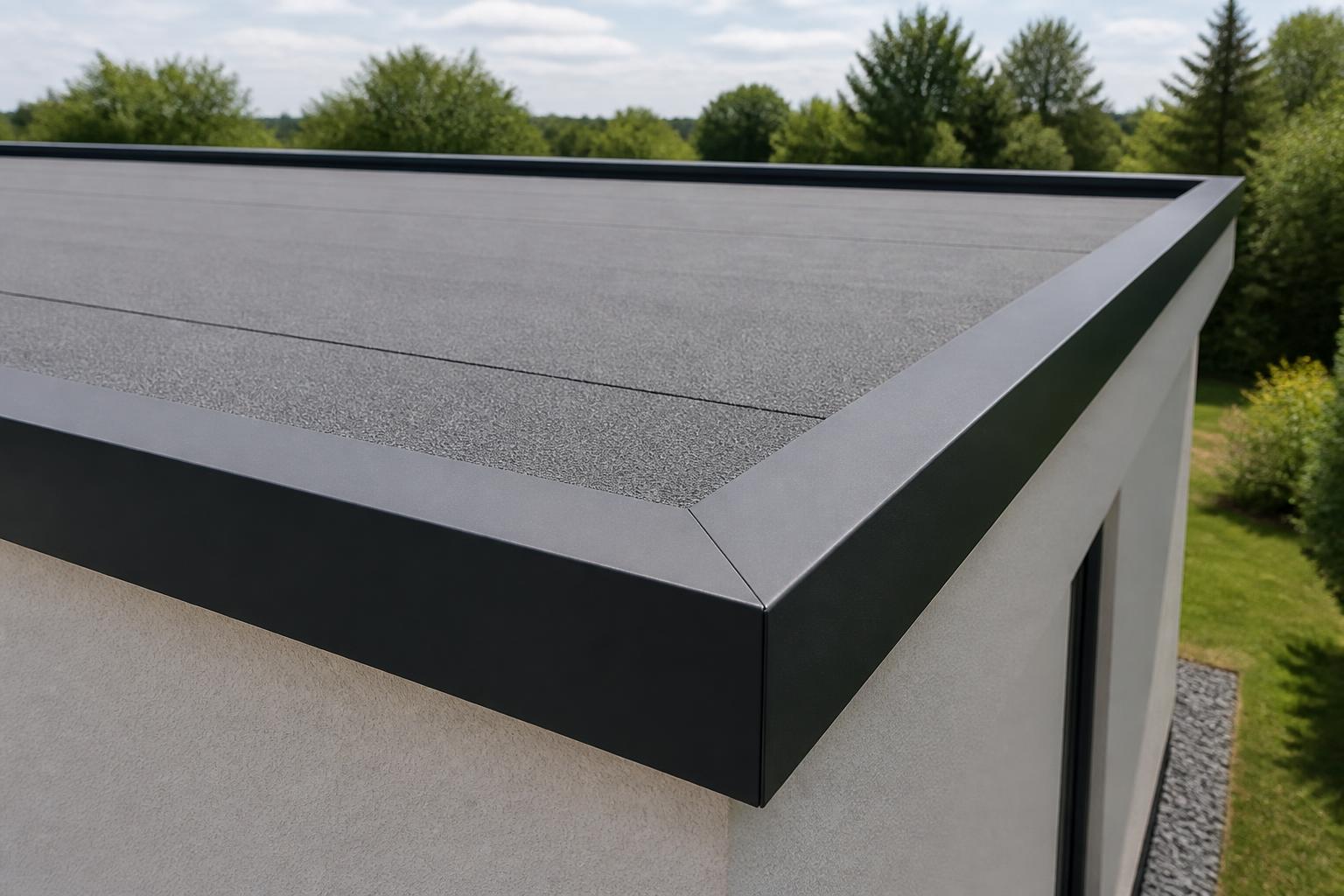
A flat roof that starts holding water, showing soft spots, or leaking after a storm needs attention before the damage spreads. Small cracks, open seams, and worn flashing can turn into stains inside, damaged decking, and repair bills that keep growing.
If your flat roof has reached that point, Diego's Roofing Corp. can inspect the surface, find the source of the problem, and recommend the next step for your Costa Mesa, CA property. We work with flat roofing systems for residential, commercial, and HOA buildings, and we focus on clear communication from the first visit through the finished work.
Flat roofing can serve a property well, but it asks for close attention when surfaces begin to age or seams start separating. Unlike pitched systems, flat roofs rely on clean drainage, tight transitions, and sound surface materials to keep water out.
Property owners often call after noticing one or more of these warning signs:
Those symptoms do not always mean the same fix is needed. Some roofs need targeted repair, while others are nearing the point where a replacement makes more sense. We look at the full condition of the roof, not just the visible problem spot.
Diego's Roofing Corp. handles flat roofing projects across Costa Mesa, CA with a practical approach that matches the roof condition and the property’s needs. We handle installations, repairs, replacements, inspections, and related surface work that helps a flat roof stay ready for daily use.
When the roof still has useful life left, repairs can address cracked seams, lifted materials, small leaks, and localized damage around details like skylights or drains. We focus on the source of the leak, not just where the water shows up indoors.
When a flat roof has widespread wear, repeated leaks, or major surface breakdown, replacement may be the better path. We remove damaged sections, assess the decking, and install the new system with attention to edges, tie-ins, and drainage points.
A thorough inspection helps determine whether the roof needs a repair, a replacement, or a combination of both. Our inspections also help property owners understand what is happening with seams, surface wear, and areas that may need monitoring.
Flat roofing is not one single product. Different buildings call for different materials, and the right choice depends on roof shape, use, and existing conditions. We work with flat roof systems that suit a range of property types and design goals.
These systems are chosen for their low-profile design and practical coverage across wide roof areas.
Where a flat roof meets other roof sections, the transition details matter just as much as the main surface.
Metal components can require careful sealing and alignment where they connect to a flat roof field.
Areas exposed to standing water or frequent runoff benefit from careful surface preparation and sealing attention.
Because every roof is built a little differently, we look closely at what is already there before recommending a repair path. That keeps the work tied to the actual roof condition rather than a one-size-fits-all answer.
Flat roof leaks often begin at a detail, not across the whole roof. A small opening at a seam, drain, flashing point, or penetration can let water travel far before it becomes visible indoors. That makes leak detection one of the most important parts of the job.
Common leak sources on flat roofs include:
We trace the problem carefully so repairs are aimed at the place where water is entering. That helps avoid repeated patching and gives the roof a more dependable result.
When you contact Diego's Roofing Corp. for flat roofing service, we start by listening to the signs you have noticed. A stain on the ceiling, a soft spot on the roof, or a leak after rainfall can all point to different issues, so the first conversation matters.
From there, we inspect the roof area and review the condition of the surface, edges, drainage points, and any related exterior details. If the roof needs repair, we explain the scope of the work. If the damage is broader, we lay out the replacement path and help you understand the difference.
We also provide complimentary inspections and free quotes, so you can get a clear look at the condition before deciding how to move forward.
Flat roofing serves more than one kind of building, and each property type brings its own priorities. A homeowner may need a small repair and leak check, while an HOA board may need a broader assessment across several connected roof sections. Commercial properties may also have larger surface areas, more penetrations, and more places for water to enter.
We work with flat roofing needs for:
Whether the roof is a standalone section or part of a larger exterior system, the goal stays the same: stop the leak source, restore the roof surface, and keep the work aligned with the structure already there.
Flat roofing often connects to other parts of the exterior, so roof service sometimes includes adjacent repairs that help the whole system perform better. When needed, we can also address decking, waterproofing, wood replacement, skylights and solar tubes, gutter installation, and roof washing.
These services matter because a flat roof does not work alone. Water moves across edges, toward drains, and around openings. If nearby components are damaged or loose, the roof can keep showing the same problem even after a surface repair.
Soft or damaged decking can undermine a roof repair, so it may need attention before new material goes on. Wood replacement may also be part of the work when hidden damage is found.
Skylights, solar tubes, and gutter connections can create weak points if their seals or transitions are worn. We check those details closely when they affect the flat roof area.
Flat roofs last longer when problems are noticed early. You do not need to climb the roof to keep an eye on things. A simple visual check from the ground, plus attention to interior stains or changes after rain, can tell you a lot.
Use this short checklist when you suspect a problem:
New spots on ceilings or upper walls may point to water entering through the roof.
Standing water after rain can signal a low spot or blocked path off the roof.
Blisters, cracks, and loose edges are common signs that the roof needs review.
Catching wear before it spreads often keeps the repair scope smaller and easier to manage.
If the roof already has repeated patching or visible wear across several areas, inspection is especially important. That is when a clear assessment helps you avoid guessing at the next step.
It depends on how widespread the damage is. A few isolated leaks or seam issues may call for repair, while repeated leaks, soft decking, and broad surface wear often point toward replacement.
Pooling water, cracked material, bubbling surfaces, open seams, and interior stains are all signs that the roof should be checked.
Yes. Water can travel along roof layers or framing before it appears indoors, which is why a leak source can be harder to spot than the visible stain.
Yes. Once the surface begins aging or lifting, an inspection can show whether the issue is limited or part of a larger roof problem.
It can, but the transitions must be handled with care. Connections to tile, shingle, or metal sections need close attention at seams and edges.
Make note of where you saw the leak, when the problem started, and whether water appears after rain or other roof activity. That information helps guide the inspection.
If your flat roof is showing signs of wear, now is the time to get a clear answer. Diego's Roofing Corp. serves Costa Mesa, CA with flat roof inspections, repairs, replacements, and related exterior work that supports the whole roof system.
Call +19499033723 or visit us at 610 Joann St, Costa Mesa, CA 92627, USA to request your complimentary inspection and free quote.